Homemade Spreadable Vegan Butter (Easy & Creamy, Dairy-Free!)

This post may contain affiliate links. As an Amazon Associate and an affiliate for other programs, I earn a commission from qualifying purchases. Read the disclosure policy for more information.
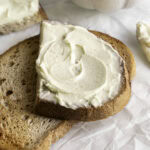
This Homemade Spreadable Vegan Butter is made with plant-based ingredients like oat milk, coconut oil, and avocado oil. If you’re looking for an easy, spreadable homemade butter that delivers signature creamy texture, with a hint of that cultured butter taste, this will be your new dairy-free go-to butter recipe! 🧈
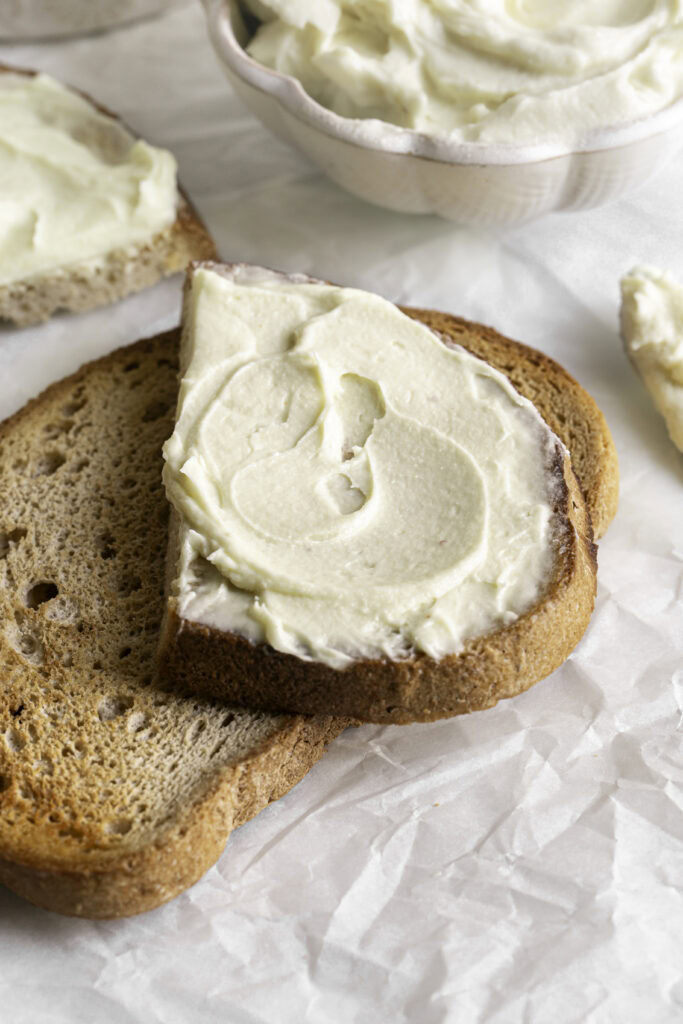
If you’ve ever wished for a rich, spreadable vegan butter that actually tastes like real butter, this cultured spreadable vegan butter is about to become a staple in your kitchen. I was a huge fan of Miyoko’s Plant-Based Butter, in fact, I’ve used it in many recipes and share it often on this blog. But unfortunately it became nearly impossible to find. I am already making my own homemade peanut butter, so why not my own vegan butter too?!
This vegan butter is smooth, spreadable, and perfect for everything from toast to corn on the cob to buttered noodles. And it’s SO EASY to make!
Why You’ll Love This Butter Recipe
- Rich, buttery flavor with a subtle cultured tang.
- Smooth and spreadable straight from the fridge.
- Dairy-free, vegan, and gluten-free.
- Made with simple, wholesome ingredients.
- Works beautifully for spreading, cooking, and baking.
There’s…
✖ No dairy
✖ No gluten
✖ No nuts
✖ No soy
✖ No palm oil
✖ No preservatives
✖ No artificial flavors or colors
✖ No store-bought additives or stabilizers
✖ No seed oils

Ingredients
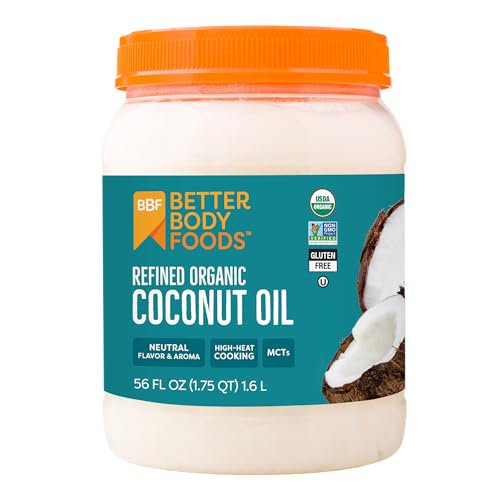
Refined coconut oil. Creates the firm, solid texture when chilled while keeping the flavor neutral. If you want a butter that doesn’t taste like coconut, you’ll want to use refined coconut oil.
Avocado oil. Keeps the butter soft and spreadable instead of overly hard. I used this one.
Unsweetened oat milk. Adds creaminess and helps create a true butter-like emulsion. I like this brand.
Apple cider vinegar. Enhances the cultured taste and balances richness. Here is a brand I like.
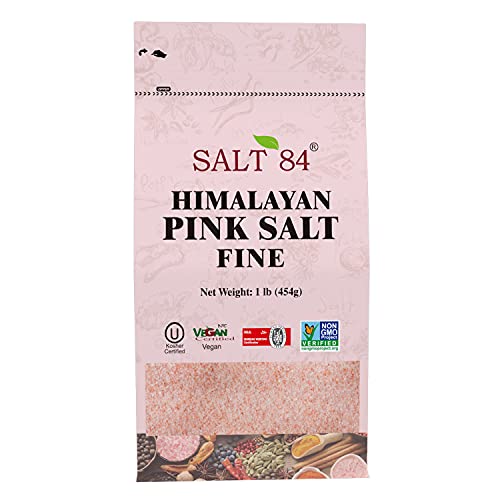
Salt. Essential for that classic salted buttery flavor. I like to use Himalayan pink salt for a milder flavor.
Nutritional yeast. A small amount of nutritional yeast adds subtle depth and enhances the buttery notes.
Sunflower lecithin (optional but highly recommended). Helps keep everything emulsified for a smoother, more stable butter. You can buy sunflower lecithin on Amazon.
Turmeric. Provides a natural buttery yellow color, if desired. You’ll want to use ground turmeric.

Ingredients Used In This Recipe
| Product Image | Product Name / Our Rating / Price | Primary Button |
|---|---|---|
|
|
|
|
|
|
||
|
|
||
|
|
|
|
|
|
||
|
|
|
|
|
|
|
|
|
|




How To Make Homemade Vegan Butter
- Melt the coconut oil until it is just melted and not too hot.
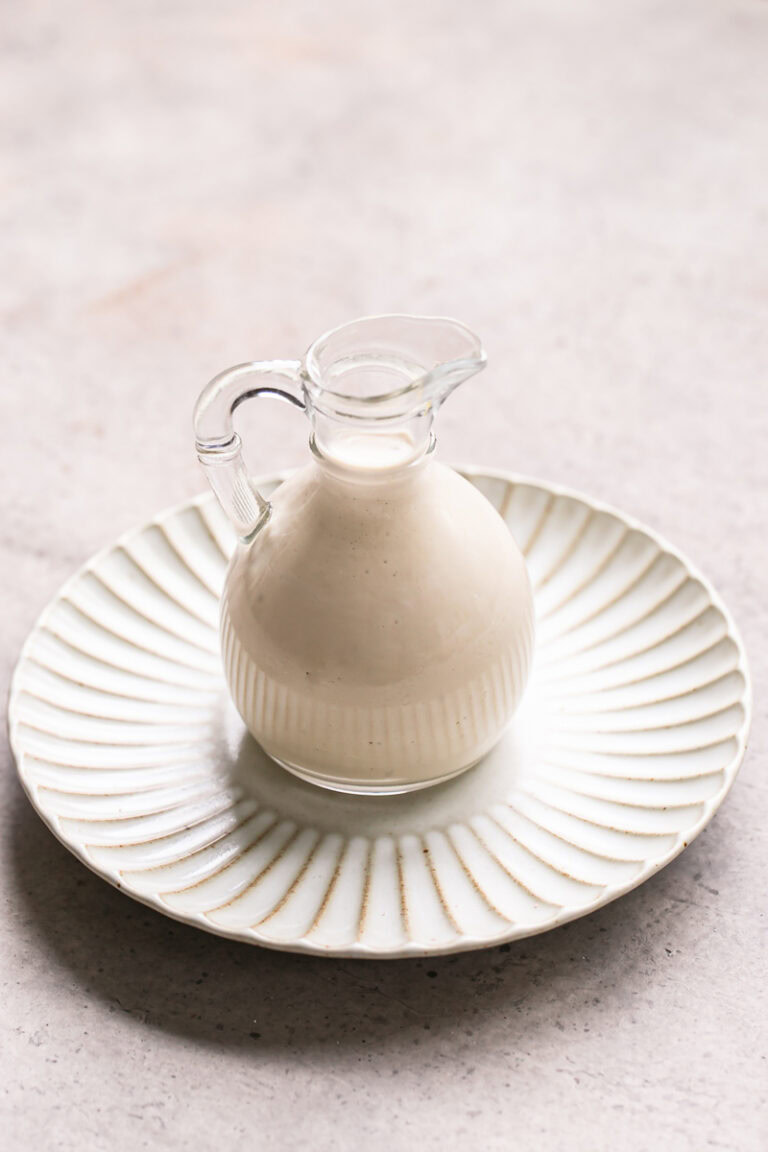
- Using an immersion blender (for best results), blend the coconut oil, avocado oil, oat milk, vinegar, salt, and nutritional yeast on for about 5 minutes. You want to blend this very well so the oil doesn’t separate from the oat milk. The sunflower lecithin will also help with emulsification. The mixture will thicken slightly- it will look like cream.
- Pour the butter mixture into an airtight container and refrigerate for 2–3 hours until set.

💡 Optional: If you want to whip the butter after it’s set you can! Then place it back into the butter dish and keep it stored in the refrigerator

Storage
Store in an airtight container:
- Refrigerator: up to 2–3 weeks
- Freezer: up to 3 months
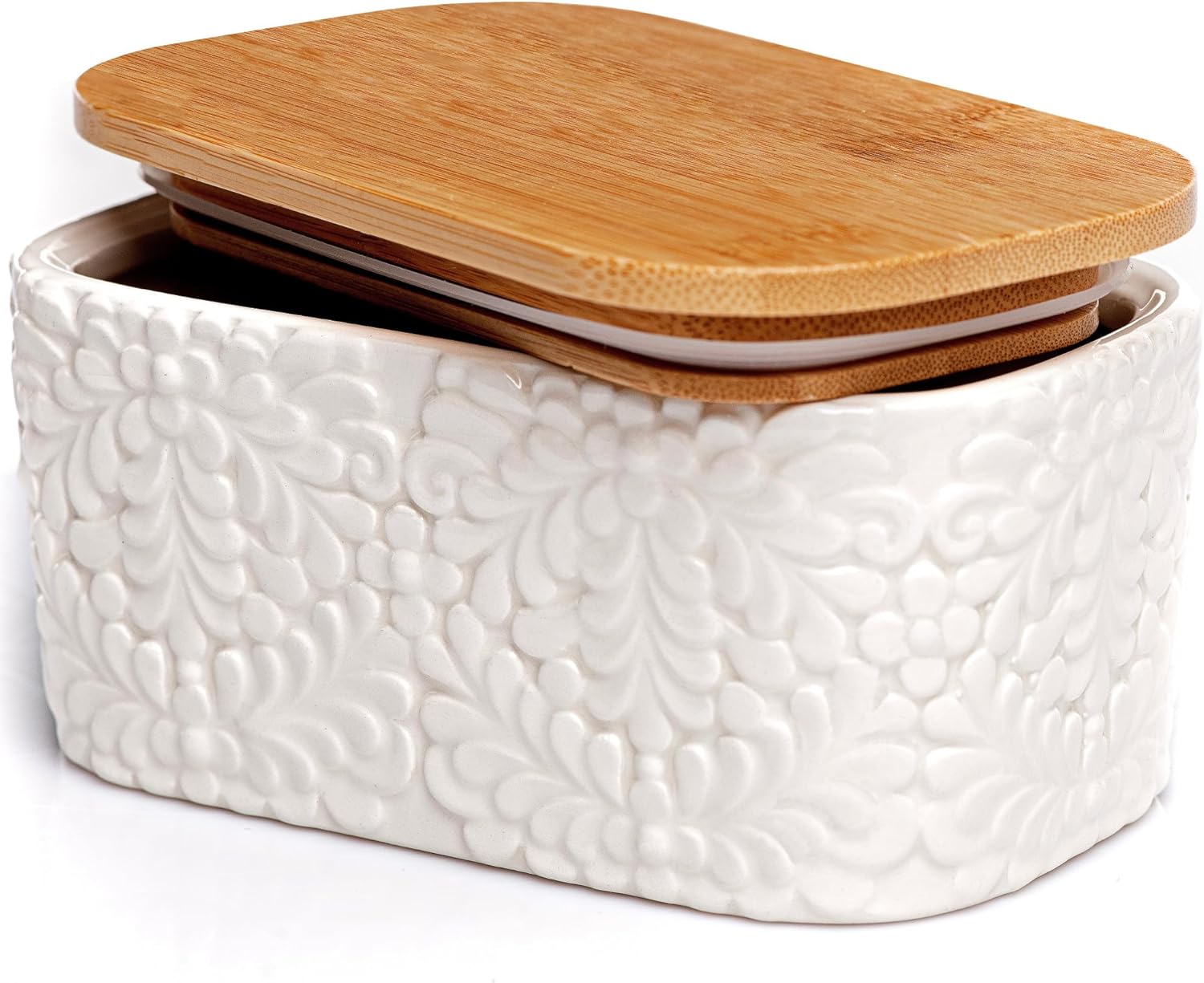
💡 If you plan on making your own butter often, you can purchase this cute butter dish with airtight bamboo lid!

Tips for Success
- Use refined coconut oil to avoid a coconut flavor.
- Make sure the coconut oil is melted but not hot.
- Blend very well, at least 5 minutes, to ensure proper emulsification.
How to Use Vegan Butter
This oat milk butter works just like traditional butter:
- Spread on toast, muffins, or bagels
- Melt over vegetables or popcorn
- Use in sauces and pasta
- Substitute 1:1 in baking recipes

Spreadable Vegan Butter vs. Vegan Stick Butter
The main difference comes down to fat ratio and firmness, which affects how each performs in recipes. This homemade vegan butter recipe is more of a spreadable butter versus a stick butter.
Spreadable vegan butter has a slightly higher liquid content and often includes more neutral oil (the avocado oil in this recipe) making it softer and easier to spread straight from the fridge. It’s perfect for everyday use like toast, sautéing, or general baking like muffins and cakes.
Stick (bar-style) vegan butter has a higher percentage of solid fats (like coconut oil), making it firmer and more structured. This allows it to hold its shape when cold, which is essential for recipes like pie crusts, biscuits, scones, and pastries where texture and flakiness matter.
FAQs
Is oat milk butter gluten-free?
Yes, as long as you use certified gluten-free oat milk.
Can I use another plant-based milk?
Yes—this recipe is very flexible, and you can absolutely use other plant milks. The key is choosing one that supports a creamy, neutral, butter-like flavor. The best substitute for oat milk would be soy milk or cashew milk.
Can I use this vegan butter for baking?
Yes! This vegan butter works well for baking and can typically be used as a 1:1 substitute for dairy butter in most recipes like cookies, cakes, and muffins.
Because this version is more of a spreadable-style butter, it performs best in everyday baking. For recipes that require very firm butter—like pastries or extra flaky crusts—you may prefer a bar-style vegan butter for more structure.
Why does my butter taste oily?
This happens when the mixture doesn’t emulsify properly. You want to make sure you blend the butter mixture at least 5 minutes and it is thick like cream. Using sunflower lecithin also helps this process.
More Homemade Condiments
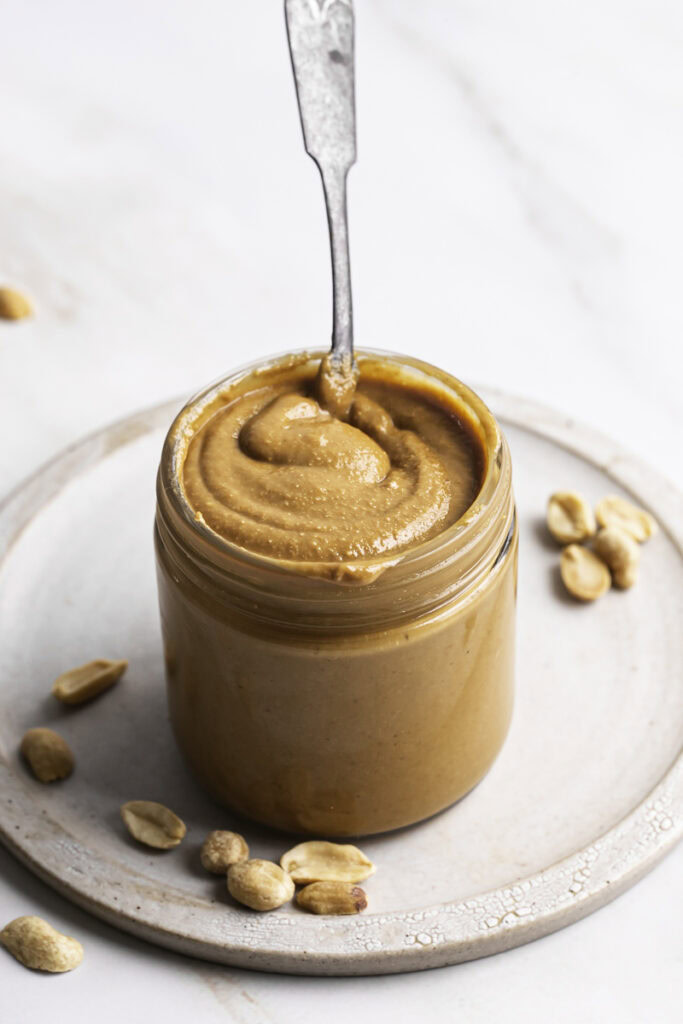
Homemade Dry Roasted Peanut Butter (oil free!)
Making your own peanut butter at home is so easy and so incredibly delicious! This Homemade Dry Roasted Peanut Butter is made with just 2 ingredients in a food processor or blender. Simply roast raw peanuts with a little salt and then blend them into a creamy and dreamy peanut butter with no added oils!
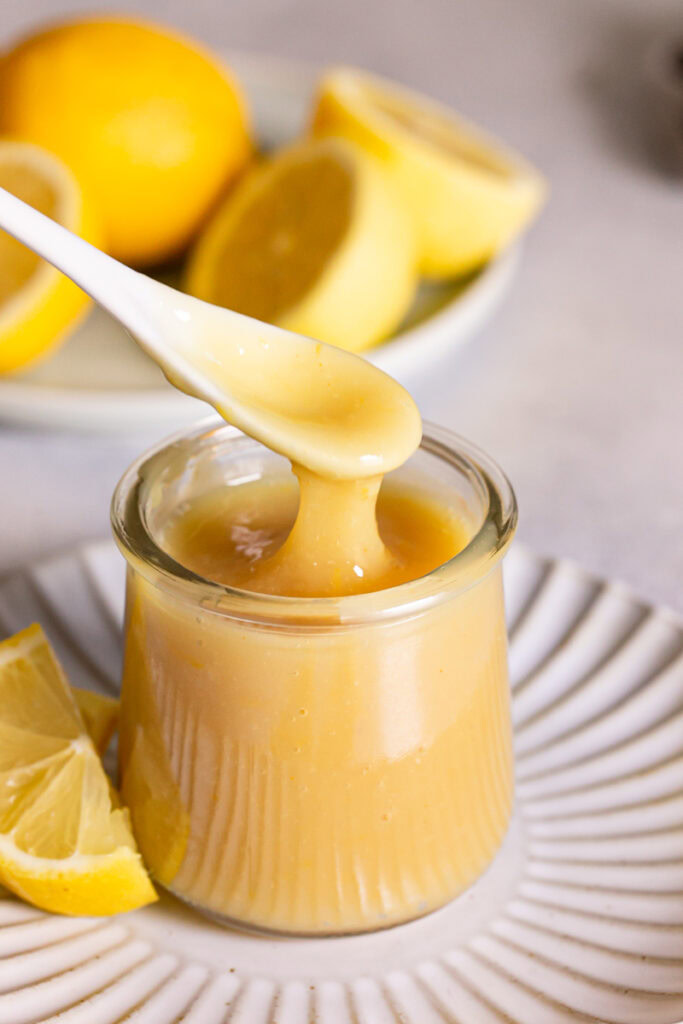
Easy Vegan Lemon Curd (Refined Sugar-Free)
This Easy Vegan Lemon Curd is made with only 5 ingredients and is refined sugar-free! It only takes about 10 minutes to make and is perfect to layer between cakes, pipe into cupcakes or cookies, swirl into ice cream or cheesecake, serve with crepes, pancakes, or waffles, or to make lemon bars or a lemon tart with!
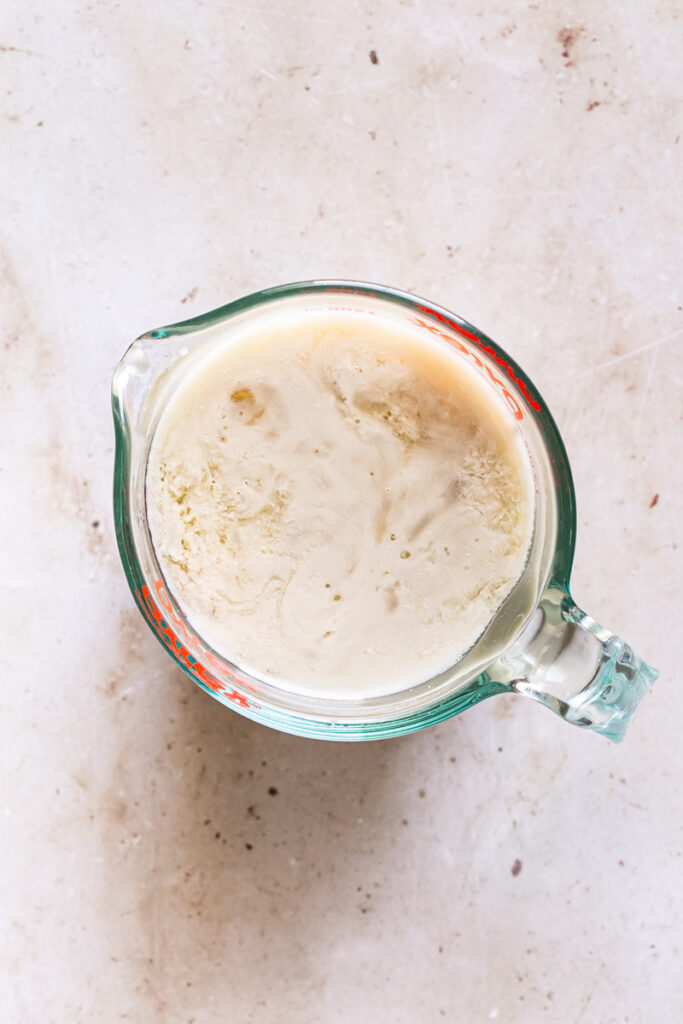
How to Make Vegan Buttermilk
This Vegan Buttermilk recipe is my go-to for making by gluten-free baked good light and fluffy without adding eggs! It only requires 2 simple, plant-based ingredients and perfect for gluten-free, vegan baking!
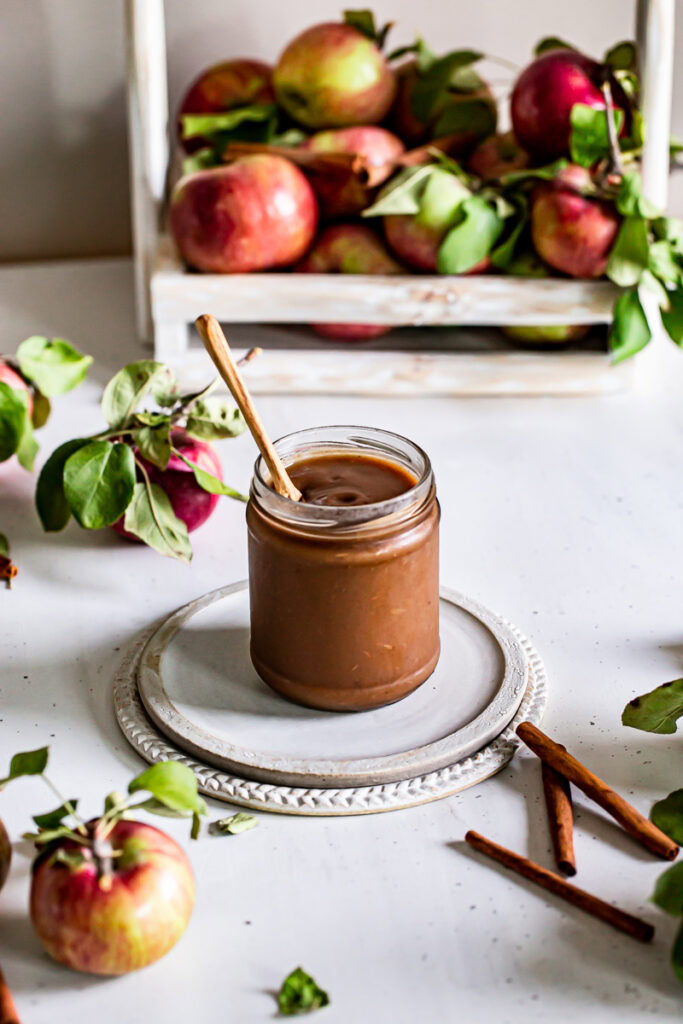
Naturally Sweetened Instant Pot Apple Butter
This 8-ingredient, refined sugar-free Naturally Sweetened Instant Pot Apple Butter is made in just 20-minutes using your Instant Pot pressure cooker (with the option to use your slow cooker if you don't have an Instant Pot). No peeling necessary!
Let me know how you like this Homemade Cultured Vegan Butter recipe down below in the comments section, as well as giving it a 5-star rating ⭐️⭐️⭐️⭐️⭐️ so that others can discover a quick non-dairy butter recipe. Tag me on Instagram, Facebook, or Pinterest!

Video
The Best Homemade Spreadable Vegan Butter (Easy & Creamy, Dairy-Free!)
- Total Time: 3 hours
- Yield: ~ 2 cups (32 tablespoons)
Description
This Homemade Spreadable Vegan Butter is made with plant-based ingredients like oat milk, coconut oil, and avocado oil. If you’re looking for an easy, spreadable homemade butter that delivers signature creamy texture, with a hint of that cultured butter taste, this will be your new dairy-free go-to butter recipe!
Ingredients
- 1/2 cup refined coconut oil, melted (but not hot)
- 1/4 cup avocado oil
- 1/4 cup unsweetened oat milk
- 1/2 teaspoon apple cider vinegar
- 1/2 teaspoon salt (I like Himalayan pink salt)
- 1/2 teaspoon nutritional yeast
- 1/4 teaspoon sunflower lecithin (optional but recommended for texture)
- Pinch ground turmeric (optional, for color)
Instructions
-
- Melt the coconut oil until it is just melted and not too hot.
-
- Using an immersion blender (for best results), blend the coconut oil, avocado oil, oat milk, vinegar, salt, and nutritional yeast on for about 5 minutes. You want to blend this very well so the oil doesn’t separate from the oat milk. The sunflower lecithin will also help with emulsification. The mixture will thicken slightly- it will look like cream.
-
- Pour the butter mixture into an airtight container and refrigerate for 2–3 hours until set.
Notes
READ THE BLOG POST FOR MORE TIPS & INFORMATION!
Store in an airtight container in the refrigerator for up to 2–3 weeks or in the freezer up to 3 months.
- Prep Time: 5 minutes
- Category: Homemade Condiments, Make Your Own…